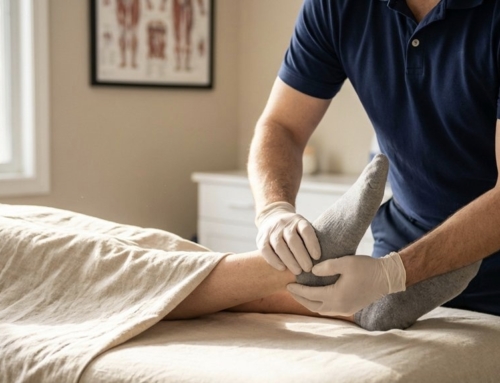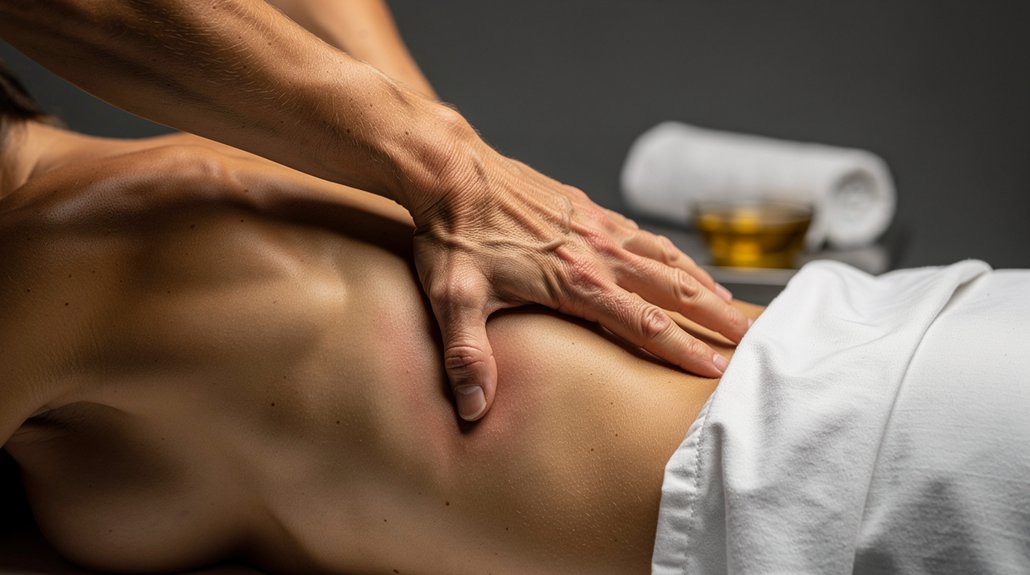

Class IV laser therapy complements your adjustment because the two are working on different parts of the same injury, and when pain does not fully settle after a run of adjustments, it usually means something is still going on in the tissue itself. An adjustment restores movement to a restricted joint, but it does little for the inflamed tendon or the strained muscle around that joint, so we use Class IV Laser Therapy, also called warm laser, to address that second problem in the same visit.
Why an Adjustment Alone Is Not Always Enough
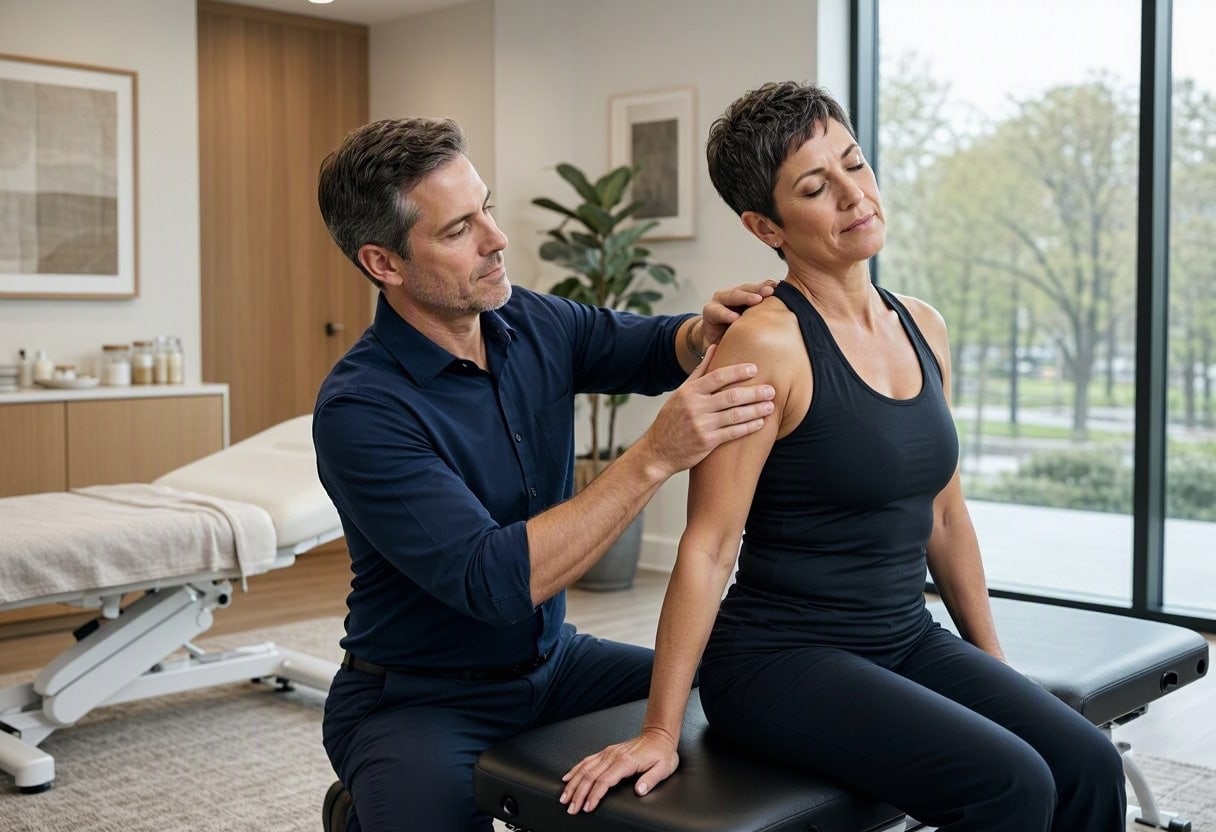
Most of the injuries we see across Clayton Heights, Cloverdale and Langley involve both a mechanical component and a tissue component, because a restricted joint changes how you move and the muscles and tendons around it end up carrying a load they were never supposed to. Adjustments address the mechanical side by restoring motion and easing the irritation that can come with a spinal fixation, while laser therapy addresses the tissue side. The proposed mechanism is photobiomodulation, which means that red and near-infrared light in roughly the 600 to 1000 nm range is absorbed by the mitochondria in your cells, where it is thought to support the energy those cells use to repair themselves. Treating one side of the problem and leaving the other alone is often why progress stalls.
Why the Order of a Combined Visit Matters
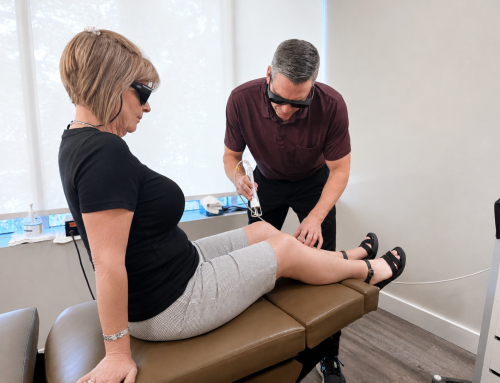
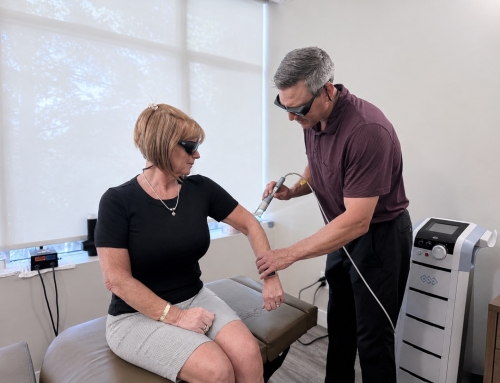
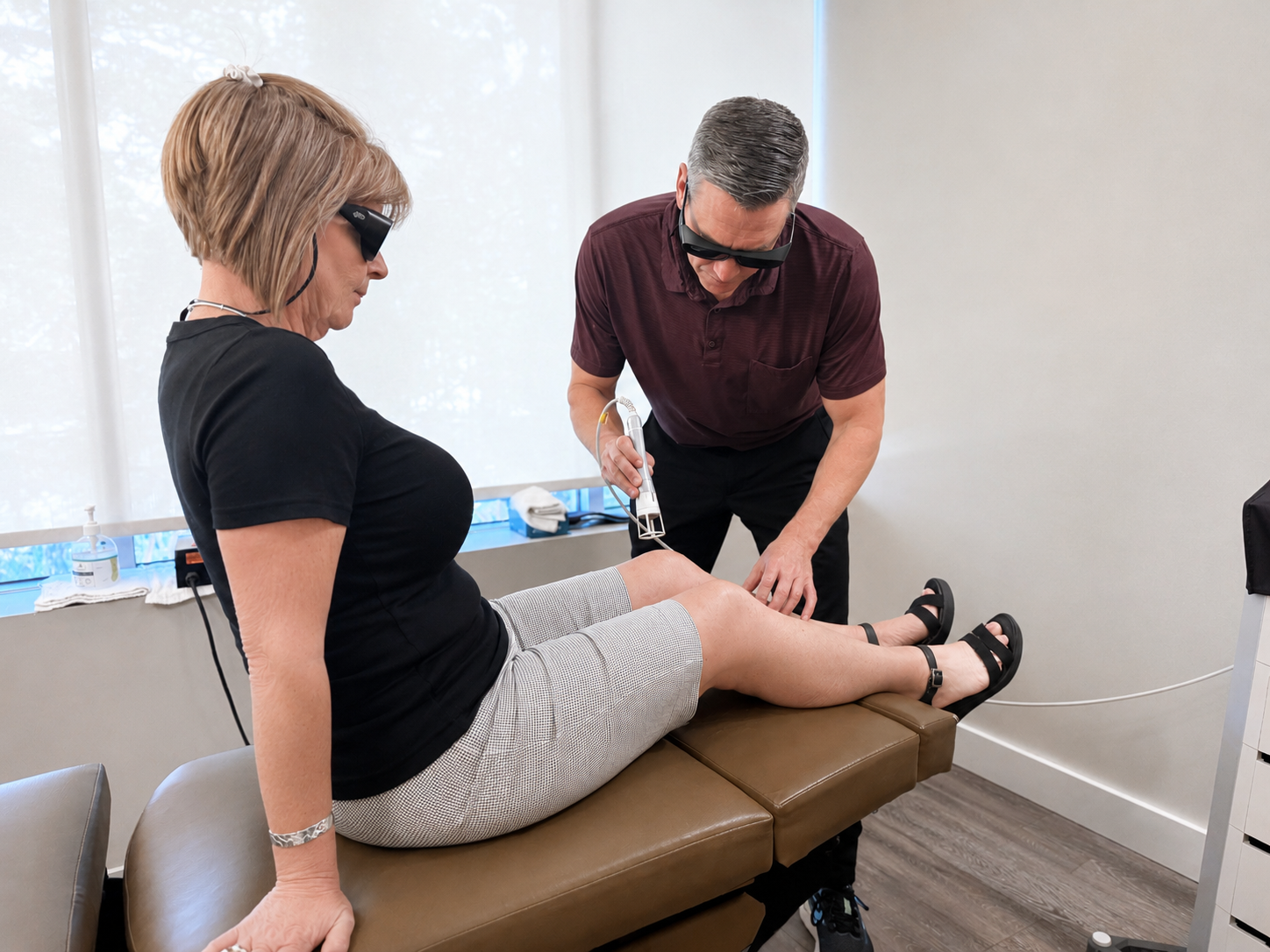
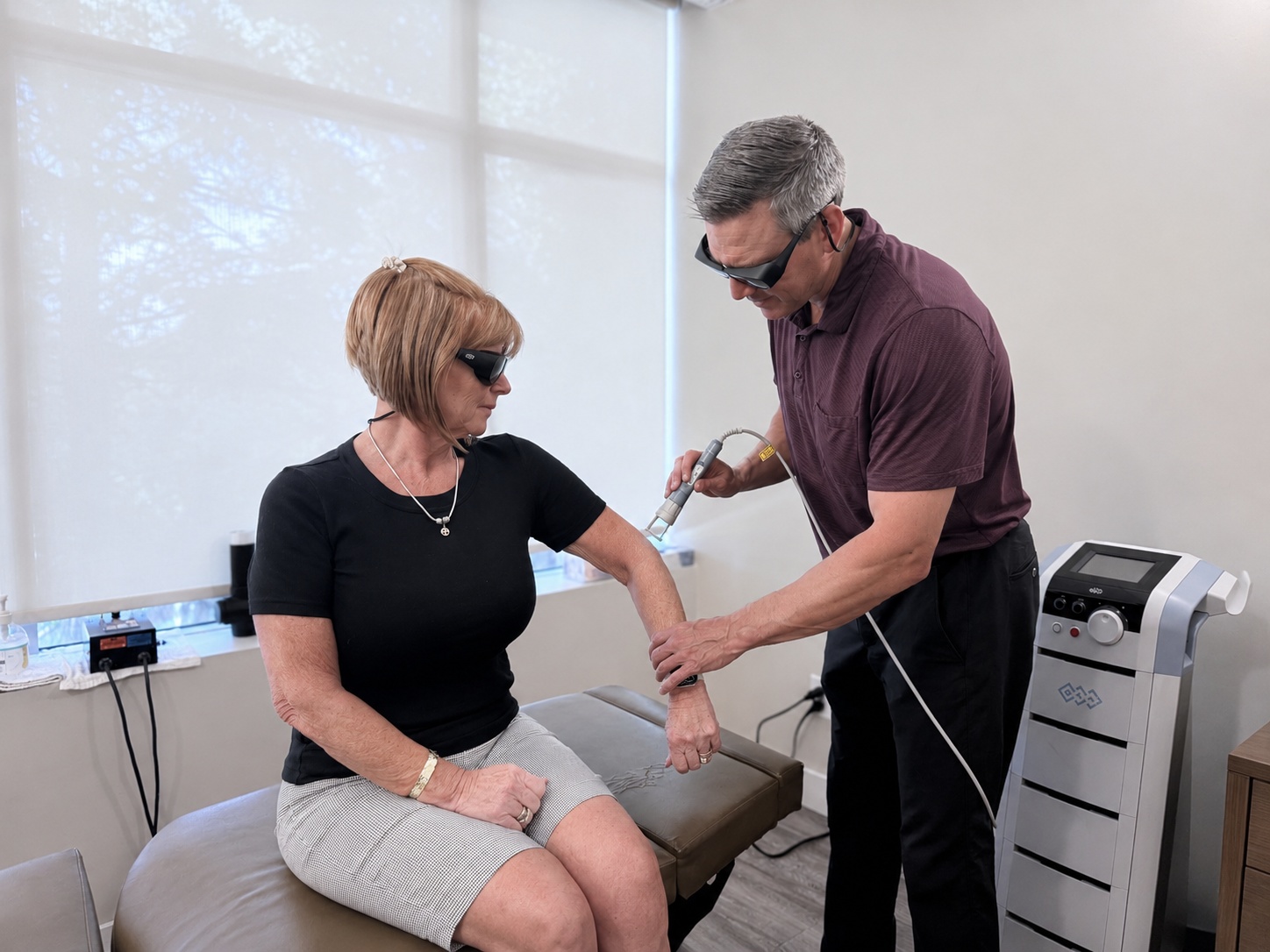
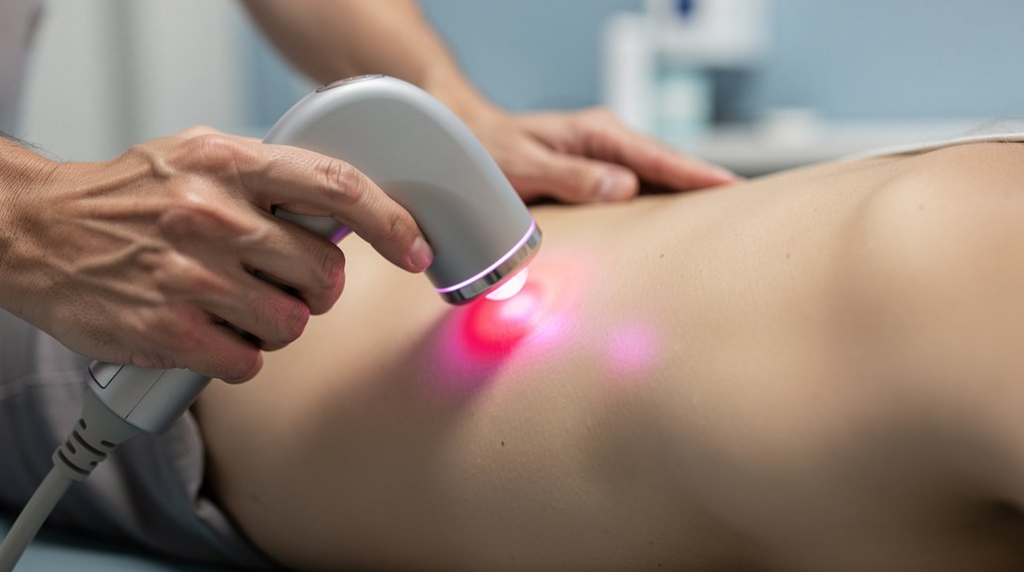
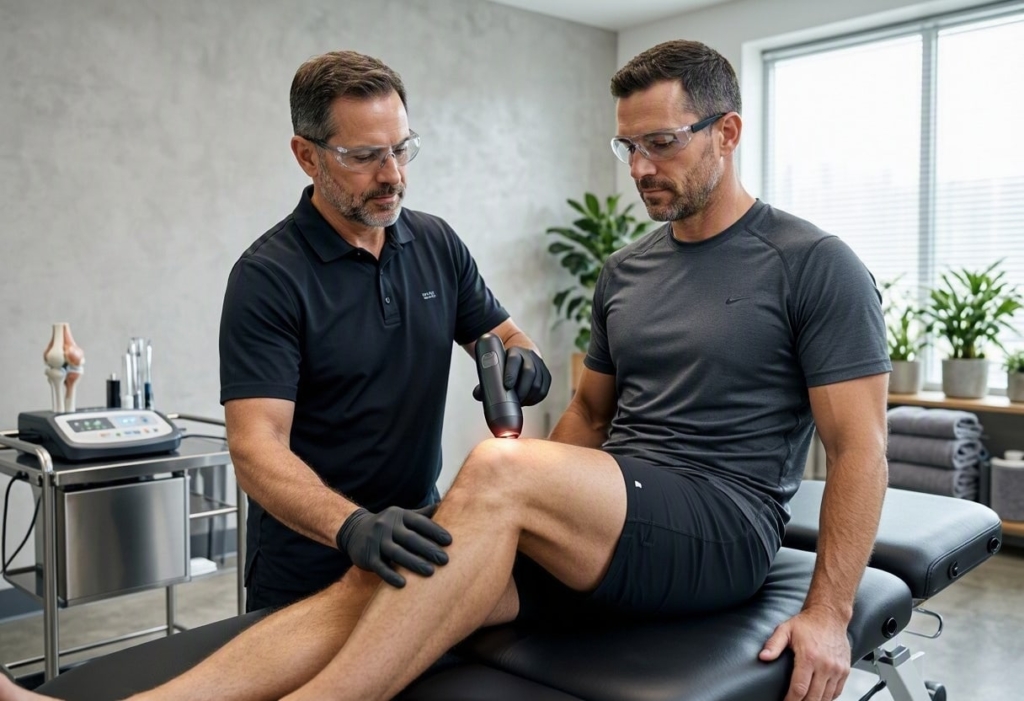
In a combined appointment, we generally run the laser first, since warming and settling the soft tissue beforehand means the surrounding muscles are less guarded, which tends to make the adjustment easier to perform and more comfortable for you. Laser sessions run about 5 to 15 minutes depending on the area being treated, and we apply a handheld device directly to your skin, so most patients describe a soothing warmth rather than any real heat. You wear protective eyewear, and so do we and anyone else in the treatment room, because a Class IV device is powerful enough to pose an eye hazard at close range. Once the tissue has settled, we move into the adjustment.
Injuries That Respond to Both
We pair the two most often for injuries where inflammation and restricted movement travel together, which includes:
- Acute and sports injuries
- Muscle strains and joint sprains
- Ongoing neck and back pain
- Tendonitis and bursitis
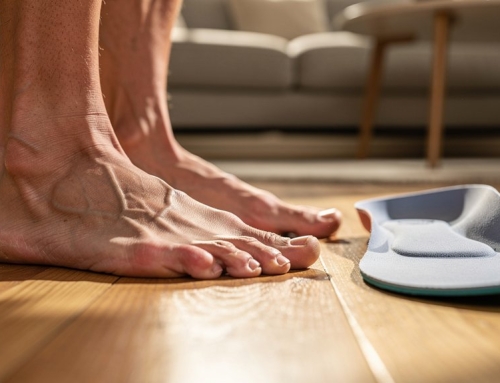
- Plantar fasciitis
- Scar tissue from an old injury or surgery
With an acute injury, the aim is usually to calm things down quickly enough that you can start moving normally again, while with a longstanding problem the aim is to break the pattern where a joint keeps getting re-irritated because the tissue around it never fully recovered.

Relief Care First, Then Wellness Care
Results vary from patient to patient, and we will not give an estimated timeline before we have assessed you, since laser is usually given as a course of sessions rather than a single visit, and acute injuries tend to need fewer sessions than chronic pain. During Relief Care, we front-load your visits while symptoms are at their worst, with the laser schedule and the adjustment schedule running alongside each other rather than as two separate courses of care, and as you improve, we space things out and move into Wellness Care, so the same problem is less likely to come back. Your chiropractor reassesses as you go and changes the plan based on your progress.

Who Is Not a Candidate
Class IV laser therapy is well tolerated, but it is not right for everyone, so we screen for that before your first session. We avoid treating:
- Directly over the eyes or the thyroid
- Over any known or suspected tumour
- Over the abdomen during pregnancy
- Over open growth plates in children
Some medications increase sensitivity to light, including certain antibiotics and acne treatments, so tell us about anything you are taking. Tattooed and heavily pigmented skin needs lower settings, since darker pigment absorbs more energy and can warm up faster. Additionally, if you have an implanted device such as a pacemaker or a neurostimulator, let us know, and we will confirm what is appropriate before treating you.
Common Questions About Laser and Chiropractic Care
Does laser therapy replace my chiropractic adjustment?
No, the two do different jobs, because an adjustment restores motion to a restricted joint while laser therapy works on the soft tissue around it. Patients who use both are generally doing so because one on its own was not covering the whole problem.
Can I book laser therapy on its own?
Yes, and some patients come in for laser alone, particularly for something like plantar fasciitis or a tendon problem where there is no joint restriction to address, while others add it to an existing chiropractic care plan. We will tell you which services will have the biggest impact based on your specific needs.
Is laser therapy covered under an ICBC or WCB claim?
That depends on your claim and what has been approved. We accept ICBC, WCB, DVA and RCMP claims along with most extended health plans, and we bill MSP toward chiropractic visits for patients who qualify, though MSP does not fund laser therapy on its own. If you are being treated after a motor vehicle accident, ask our front desk before your first visit, and we will check what applies to you.
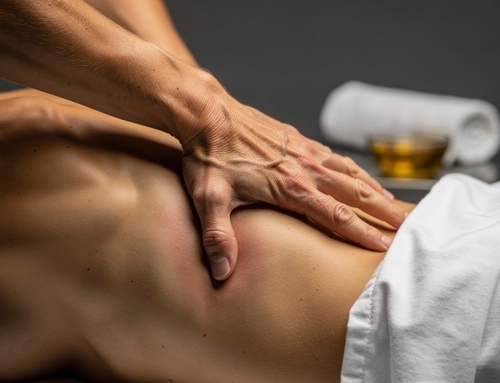
Can I combine laser therapy with massage or acupuncture?
Yes, and many of our patients do, since laser therapy, massage therapy and acupuncture each work on the same problem from a different direction, and having all three in one clinic means we can space them across the week so they build on each other’s benefits rather than overlap. Let us know what you already have booked, and we will plan the laser around it.