


Most people don’t realize that chronic pain often persists because the nervous system amplifies signals long after tissue damage has healed. Massage therapy can influence that process directly, helping to quiet overactive pain pathways while releasing muscle guarding. We’ll walk you through which conditions respond best, what happens in a first session, and the specific techniques clinicians rely on for fibromyalgia and myofascial pain. The details may surprise you.
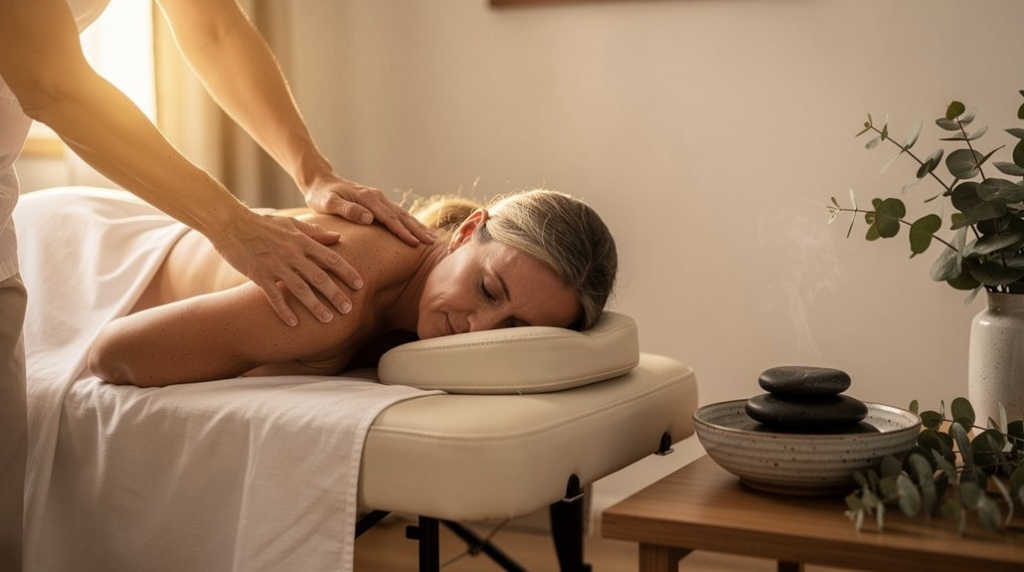
How Massage Therapy Relieves Chronic Pain
When chronic pain persists, massage therapy works on both the physical and neurological levels to provide relief. It loosens tense muscles, tendons, and joints while easing the stress and anxiety that amplify pain signals. Through “pain gating,” competing nerve pathways help block pain messages to the brain. Massage therapy also supports the management of chronic pain by calming the nervous system.
Chronic Pain Conditions That Respond Best to Massage
Although massage therapy can support many types of chronic pain, it works best for conditions driven by muscle tension, trigger points, and stress-related guarding. For chronic myofascial pain syndrome, we recommend deep tissue massages and myofascial release across 60–90 minute sessions. Fibromyalgia responds to lighter, shorter work, while chronic neck, back, and hand pain improve with consistent weekly therapeutic sessions.

Techniques Therapists Use for Fibromyalgia and CMPS
Different conditions call for different hands-on strategies, so we match technique and intensity to the diagnosis. For CMPS, we use longer 60–90 minute sessions combining trigger point therapy, myofascial release, and deep tissue kneading to address persistent fascial restrictions. For fibromyalgia, we keep sessions shorter (30–60 minutes) with gentle, slow strokes and tolerance-based pressure, communicating throughout to prevent flare-ups together.

How Often to Book a Massage for Lasting Relief
Frequency matters as much as technique when we’re aiming for lasting relief. For chronic neck pain, evidence supports 60-minute sessions two to three times weekly for four weeks. Managing chronic pain often begins with regular massage therapy sessions to steadily reduce tension, then transitions to maintenance as symptoms stabilize. With fibromyalgia, we favour gentler, shorter visits to prevent flare-ups.
Frequently Asked Questions
Is Massage Therapy for Chronic Pain Covered by Health Insurance?
Coverage varies by plan; many insurers reimburse massage therapy when it’s medically necessary and prescribed by a physician, though we recommend verifying your specific benefits, referral requirements, and provider credentials before scheduling sessions to avoid unexpected costs.
Can I Combine Massage Therapy With Pain Medications Safely?
Roughly 60% of chronic pain patients use complementary therapies alongside medication. Yes, we can safely combine massage with pain medications, though we recommend consulting your prescribing physician first, since massage may enhance circulation and affect drug absorption rates.
Are There Any Risks or Side Effects of Chronic Pain Massage?
Mild soreness, temporary fatigue, or bruising can occur after sessions, especially with deeper techniques. We recommend sharing your full health history with your therapist, since certain conditions like blood clots or fractures require caution.
How Do I Choose a Qualified Massage Therapist for Chronic Pain?
We recommend choosing a licensed therapist with verified credentials and documented experience treating chronic pain conditions like CMPS or fibromyalgia. Let’s prioritize clinicians who’ll assess your history, communicate openly, and tailor techniques to your specific needs.
Should I Eat or Hydrate Before a Chronic Pain Massage Session?
Coincidentally, light hydration and a small snack an hour beforehand support circulation and comfort during treatment. We recommend avoiding heavy meals, as they may cause discomfort. Together, we’ll optimize your session for meaningful, lasting relief.