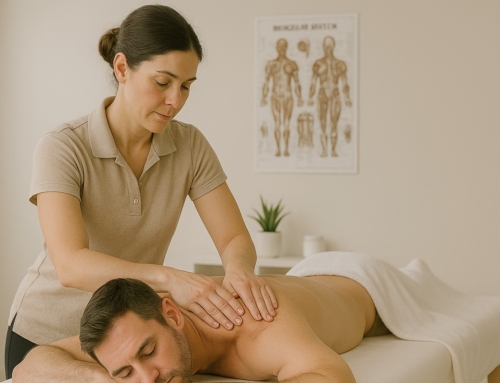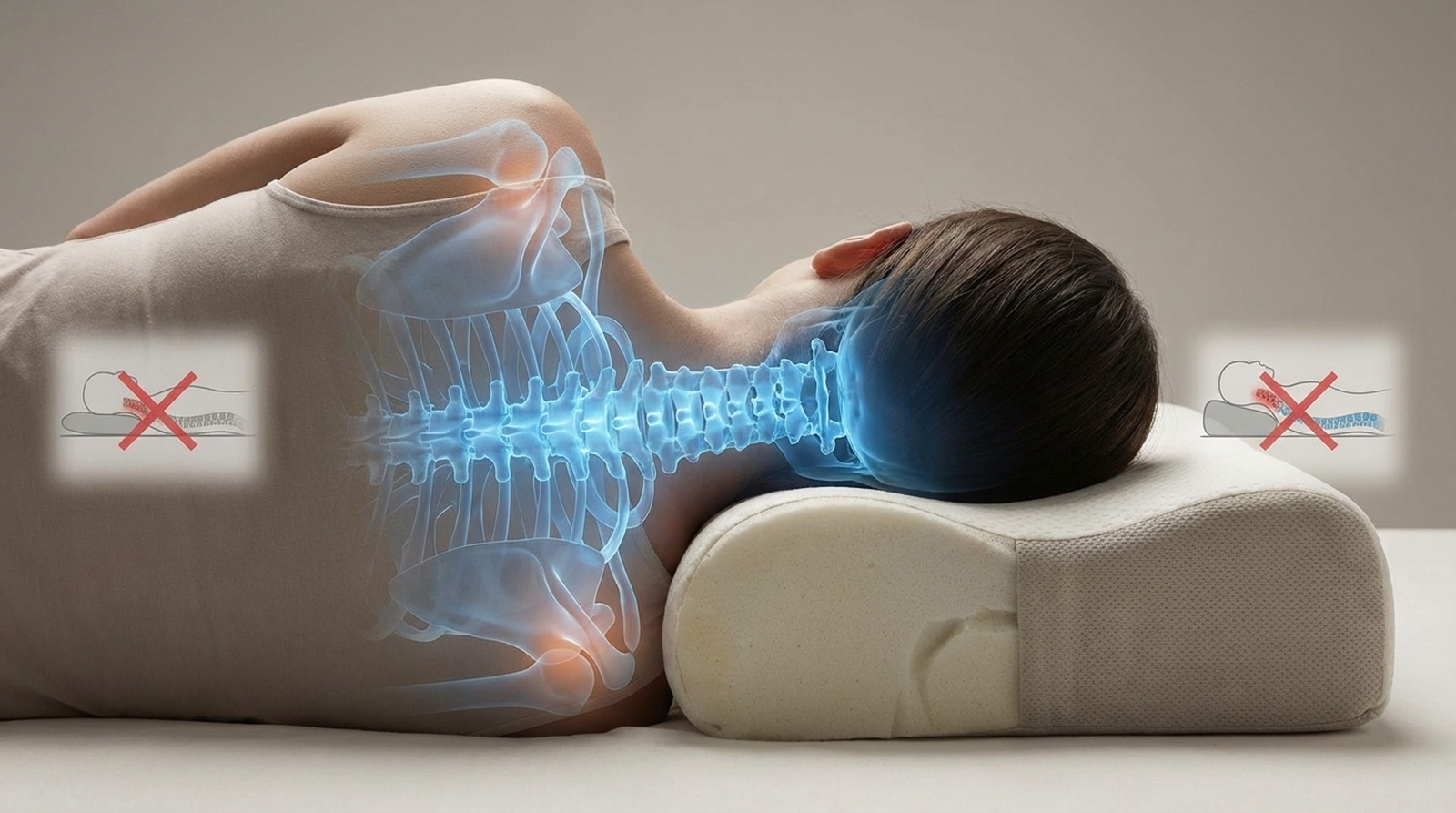

We’ve all felt the instant calm when someone works a tender spot on our feet or when lavender fills the room, but there’s real science behind that relief. Reflexology and aromatherapy don’t just “feel nice”; they trigger measurable shifts in our autonomic nervous system, activating pathways that influence heart rate, blood pressure, and stress response. Understanding how these two therapies work individually is impressive enough, but what happens when we combine them changes the conversation entirely.
How Does Reflexology Work on Your Body?
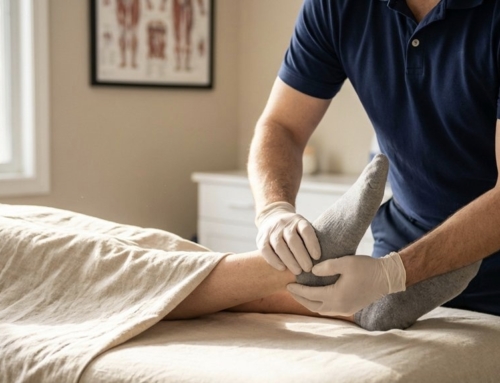
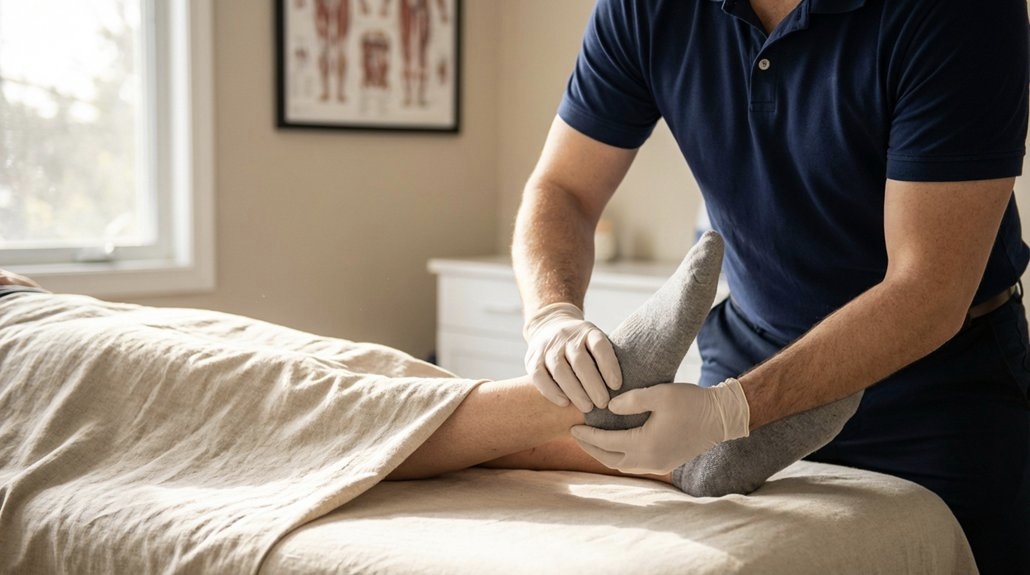
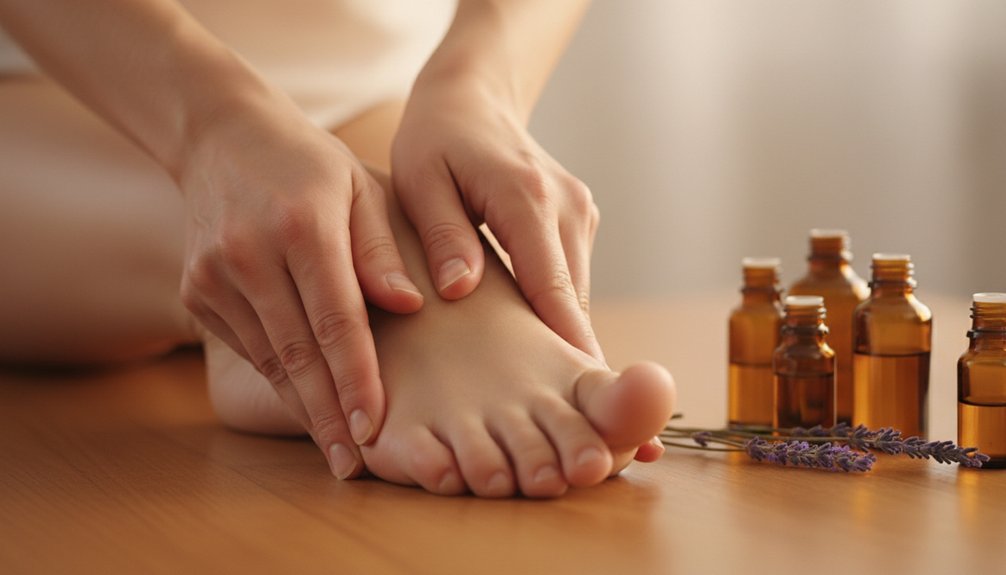
When you step onto a reflexology mat or settle into a session with a trained practitioner, your feet become a detailed map of your entire body.
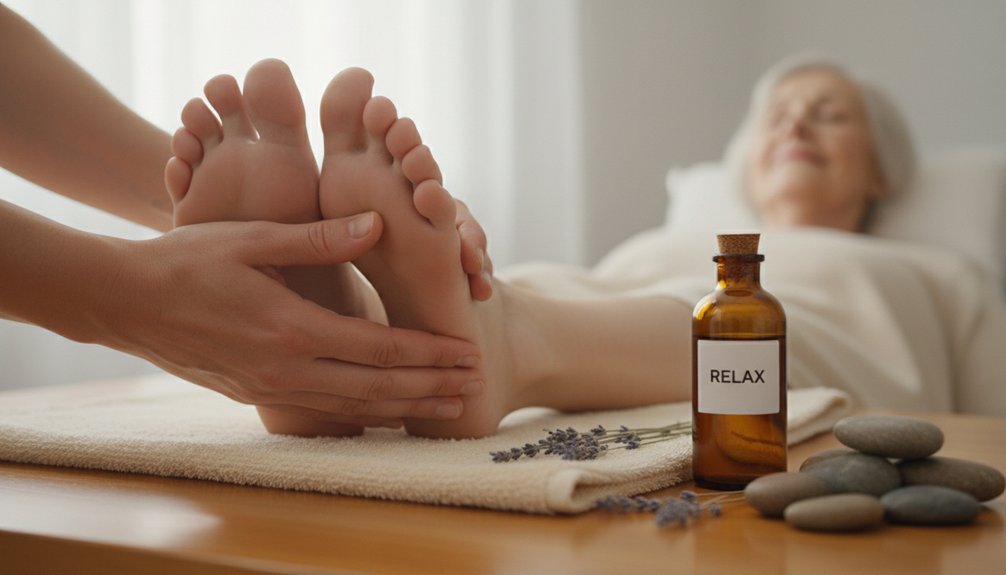
Reflexology targets specific reflex points believed to correspond to different organs and body systems, with practitioners applying pressure to stimulate these connections.
When pressure is applied, vagal tone is enhanced via activation of the neural baroreflex, leading to physiological changes in autonomic nerve function and a reduction in heart rate.
What Do Aromatherapy Oils Actually Do to Your Brain?
Just as your feet serve as a gateway to the body’s internal network, your nose opens a direct channel to the brain’s emotional control center.
When we inhale essential oils, molecules bind to olfactory receptors and signal to the amygdala and hypothalamus in the limbic system, directly modulating our stress response.
Research on lavender aromatherapy has shown significant reductions in stress hormones like cortisol, with one study documenting a 69.6% decrease in blood cortisol levels among surgical patients.
Why Are Reflexology and Aromatherapy Better Together?
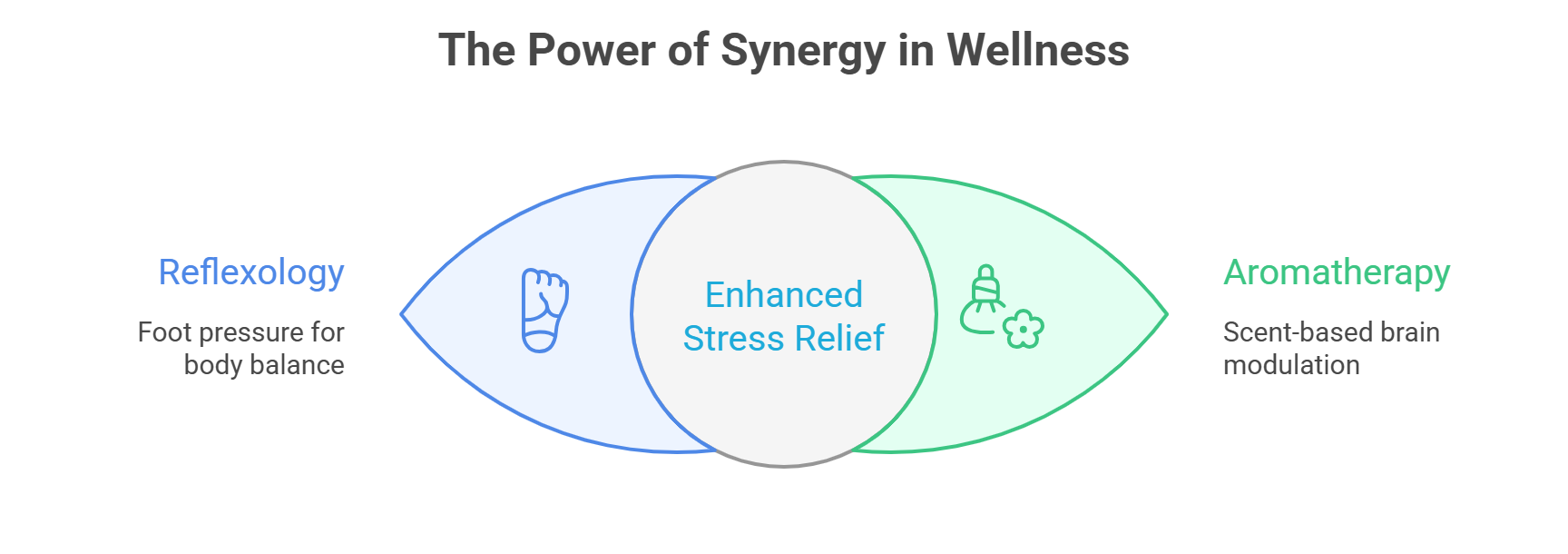
Although each modality delivers measurable benefits on its own, combining reflexology with aromatherapy creates a synergistic effect that neither can achieve alone.
The combination activates both olfactory pathways to the brain’s emotional centers and physical pressure points that stimulate parasympathetic responses, creating a dual approach that enhances relaxation beyond what either therapy achieves on its own.
Together, we’ve seen sleep quality improve more significantly, pain ratings decrease further, and our community experience deeper, lasting relaxation. Research shows this combination reduced heart rate by 8.29% in hypertensive patients during a single 15-minute session.
How Do We Choose The Right Essential Oil To Enhance A Reflexology Session?
We select high-quality essential oils backed by research, so our reflexology and aromatherapy practice truly serves you:
1. Lavender: Clinical studies show it reduces anxiety and improves positive mood states, with its key compounds linalool and linalyl acetate promoting parasympathetic nervous system activation.
2. Peppermint: Contains menthol, a natural analgesic that provides cooling relief and may help reduce muscle pain and inflammation when applied topically with a carrier oil.
3. Bergamot: Research demonstrates anxiolytic effects comparable to traditional treatments, with 15-minute exposure improving positive feelings by 17% in mental health settings.
Who Should Try Reflexology and Aromatherapy
Now that we’ve covered which oils pair best with reflexology, let’s examine who stands to gain the most from this combined approach. Adults seeking stress relief, seniors with limited mobility, and cancer patients pursuing complementary care all belong here.
Pregnant clients can participate after medical clearance.
However, those with certain medical conditions, such as extremely high blood pressure (≥180/110 mmHg), fragrance allergies, respiratory disease, kidney disease, diabetes, lower-extremity problems, or those taking sedatives, open wounds, or anticoagulants should consult a healthcare provider first.
Questions Often Asked
Does Aromatherapy Have Any Real Benefits?
Yes, it does! Clinical trials have documented aromatherapy’s ability to reduce anxiety, improve mood states, and support relaxation, particularly when using lavender and bergamot essential oils. When we use quality essential oils properly, they’re a meaningful part of our wellness path together.
Is there Any Science Behind Reflexology?
Research shows reflexology enhances vagal tone and activates neural pathways that influence heart rate and autonomic function. Studies document its effects on reducing heart rate, with measurable cardiovascular benefits appearing within 15 minutes of treatment, so there’s promising science supporting what we experience together.
What Happens To Your Body After Reflexology
After a session incorporating aromatherapy, research shows heart rate can decrease by more than 6 beats per minute, bringing it into an optimal range associated with lower cardiovascular risk. The parasympathetic nervous system is activated, promoting deep relaxation.
What Hormone Is Released During Foot Massage
When we press into those magical pressure points, our bodies release a cascade of feel‑good hormones: oxytocin, beta‑endorphins, serotonin, and dopamine, while cortisol melts away, ultimately helping us feel connected, calm, and deeply restored together.